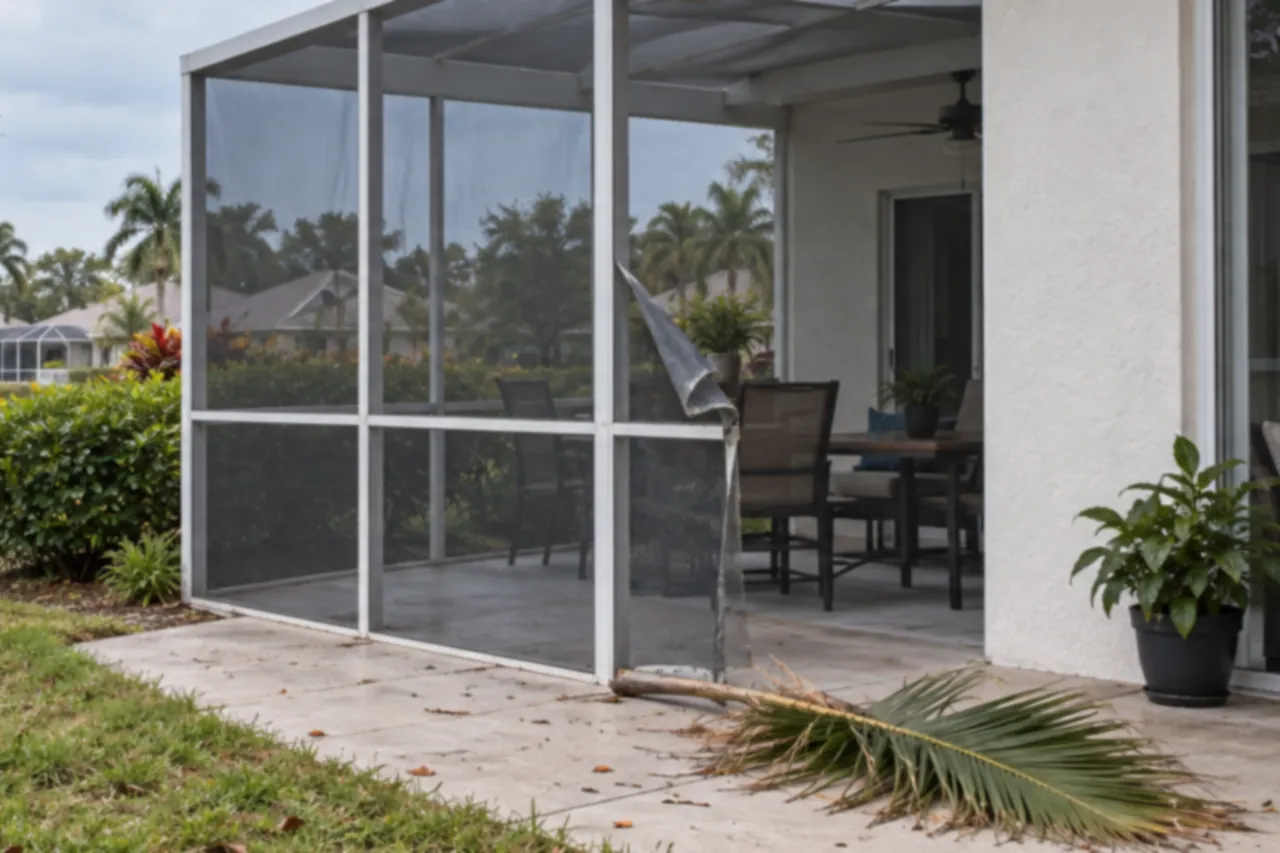
Understanding Hurricane Damage Claims in Florida
Florida sits in the direct path of Atlantic hurricanes every year from June through November. The 2024 and 2025 hurricane seasons reminded homeowners across the state just how devastating these storms can be, with billions of dollars in property damage stretching from the Panhandle to the Keys. As a Florida homeowner, understanding how your insurance policy responds to hurricane damage is critical to protecting your investment.
Hurricane damage is rarely limited to a single type of loss. High winds rip shingles from roofs, send debris crashing through windows, and tear away fascia and soffits. Once the building envelope is compromised, wind-driven rain penetrates the interior, saturating drywall, insulation, flooring, and personal property. Storm surge can push seawater inland, flooding ground floors and destroying electrical systems. Each of these damage types requires distinct documentation and coverage analysis.
Florida's insurance market has tightened significantly in recent years, with carriers exiting the state, raising premiums, and increasing deductibles. Named storm deductibles, which can range from 2% to 5% of your dwelling coverage, mean you may be responsible for thousands of dollars before your policy pays a cent. Carriers also exploit Assignment of Benefits (AOB) reform and policy exclusion language to limit payouts wherever possible.
This is precisely why working with a licensed public adjuster after hurricane damage is not optional; it is essential. A public adjuster represents you, the policyholder, and builds a comprehensive claim that ties every element of damage to covered perils under your policy. We understand the tactics Florida carriers use, and we know how to defeat them.
Common Hurricane Damage Issues We Handle
Roof Wind Damage
Missing shingles, lifted tiles, compromised flashing, and complete roof blow-off from sustained winds and gusts exceeding 100+ mph during hurricane events.
Water Intrusion
Interior water damage from wind-driven rain entering through compromised roofs, broken windows, and breached door seals. Often causes secondary mold damage.
Storm Surge & Flooding
Coastal and low-lying properties damaged by hurricane-driven storm surge, requiring coordination between wind and flood insurance policies for full recovery.
Flying Debris Impact
Windows, doors, siding, and structural elements damaged by airborne debris during the storm. Debris impact creates openings that lead to extensive interior damage.
Structural Damage
Foundation shifting, wall cracking, truss and rafter damage, and load-bearing wall compromise from extreme wind forces and impact loading during hurricanes.
Electrical & System Damage
HVAC destruction, electrical panel flooding, generator failures, and appliance damage from power surges and water infiltration during and after the storm.
How Insurance Companies Handle Hurricane Claims
Carriers have developed sophisticated strategies to minimize hurricane payouts. Here are the most common tactics we see and defeat.
Attributing Damage to "Pre-Existing Conditions"
Carriers claim your roof or structure was already damaged before the hurricane. They use old satellite imagery or generic inspection reports to argue that wind damage was actually wear and tear. We counter with forensic documentation proving storm causation.
Separating Wind from Water
Carriers argue that water damage inside your home was caused by "flooding" (excluded from wind policies) rather than wind-driven rain (covered). We document the chain of causation from wind breach to water entry to prove coverage.
Applying Excessive Depreciation
Carriers slash Actual Cash Value (ACV) payouts by depreciating building materials and contents far beyond reasonable useful life. We prepare line-item depreciation challenges using industry-standard valuation data.
Deploying Inexperienced Adjusters
After major hurricanes, carriers hire thousands of temporary "cat adjusters" with minimal training who miss damage or undervalue losses. Our adjusters have years of Florida-specific experience and know exactly where to look.
Our Hurricane Claims Process
Free Inspection
We conduct a thorough on-site inspection of all hurricane damage, including roof, interior, exterior, and structural elements. Completely free with no obligation.
Forensic Documentation
Our team creates a comprehensive damage report with photography, moisture readings, measurements, and detailed loss estimates that prove every element of your claim.
Claim Filing
We file your claim with all supporting documentation, ensuring nothing is missed. If your claim was already filed, we supplement with our independent findings.
Aggressive Negotiation
We negotiate directly with your carrier, challenging every lowball offer and fighting for the maximum settlement your policy allows. We do not stop until you are made whole.
Hurricane Damage FAQs
Under Florida law, you generally must file within the timeframe specified in your policy, typically one to two years from the date of loss. However, acting quickly preserves evidence and strengthens your case. Contact us immediately after a hurricane for a free inspection.
A named storm deductible is a separate, usually higher deductible that applies specifically to damage from named hurricanes or tropical storms. It is typically 2-5% of your dwelling coverage, meaning on a $400,000 home, your deductible could be $8,000 to $20,000.
Yes. Many hurricane claims are initially denied or underpaid. We re-inspect the damage, provide independent documentation, and build a compelling case to reopen or appeal your denied claim. We have overturned numerous hurricane claim denials across Florida.
Standard Florida homeowners policies typically cover wind damage to structures, roof damage from flying debris, water intrusion through wind-created openings, damaged personal property, and additional living expenses. Flood damage from storm surge requires separate flood insurance.
Carriers commonly deny hurricane claims by attributing damage to pre-existing conditions, claiming the damage was caused by flood rather than wind, applying excessive depreciation, or arguing that damage is cosmetic only. A public adjuster counters these tactics with expert documentation and negotiation.
Studies show policyholders who use public adjusters receive settlements averaging 3x higher than those who handle claims alone. For hurricane damage, where carriers aggressively minimize payouts, the difference can be even more significant.
Hurricane Damage Case Study
See how we helped a Florida homeowner overturn a denied hurricane claim and secure a settlement that fully covered their roof replacement, interior restoration, and personal property losses.
Read the Case StudyHurricane Damage? Let Us Fight for You.
Free Inspection • No Upfront Costs • FL DFS Licensed #G114979
Serving All of Florida
We handle hurricane damage claims across the entire state with a focus on these Tampa Bay area communities.